



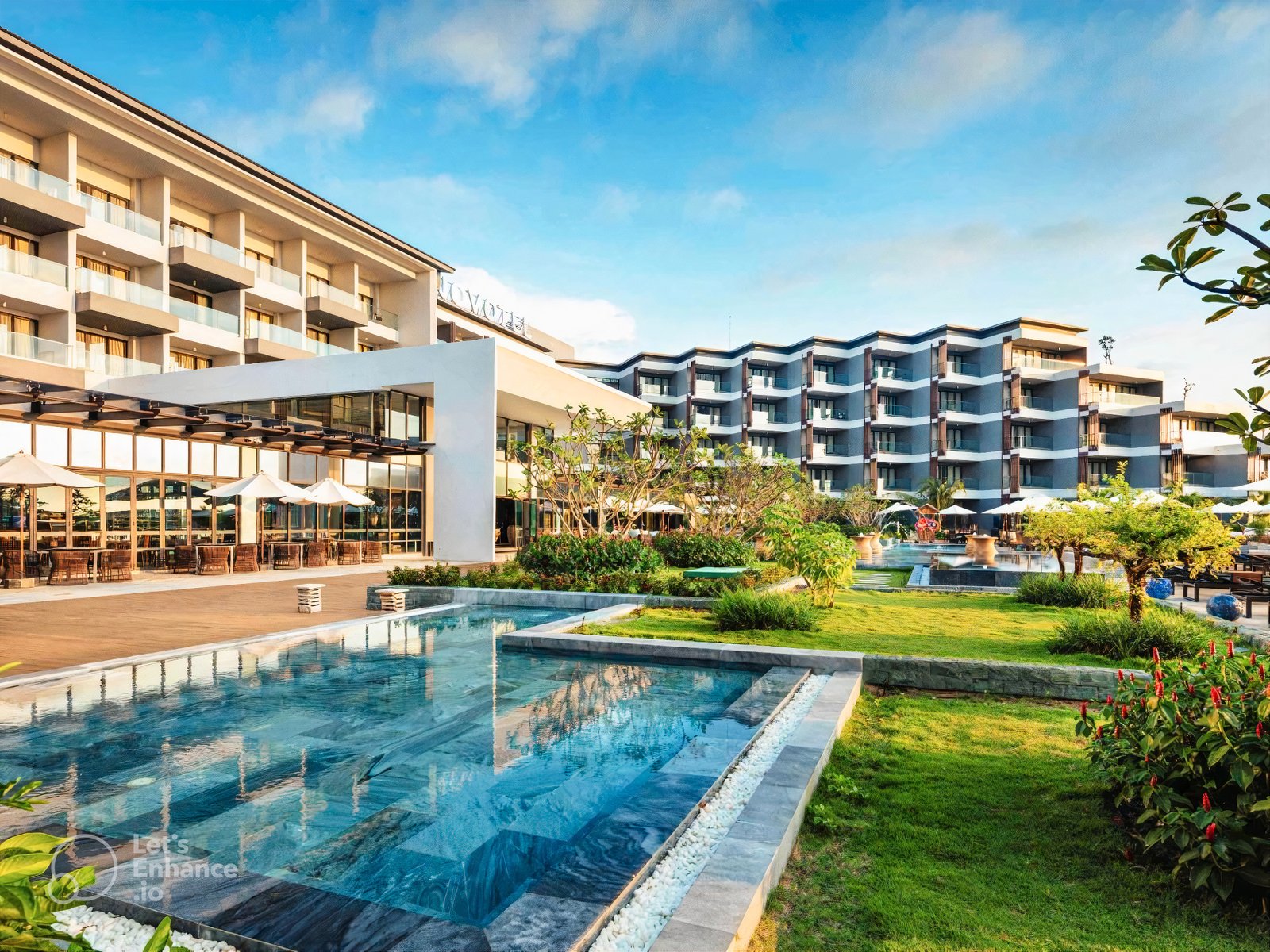


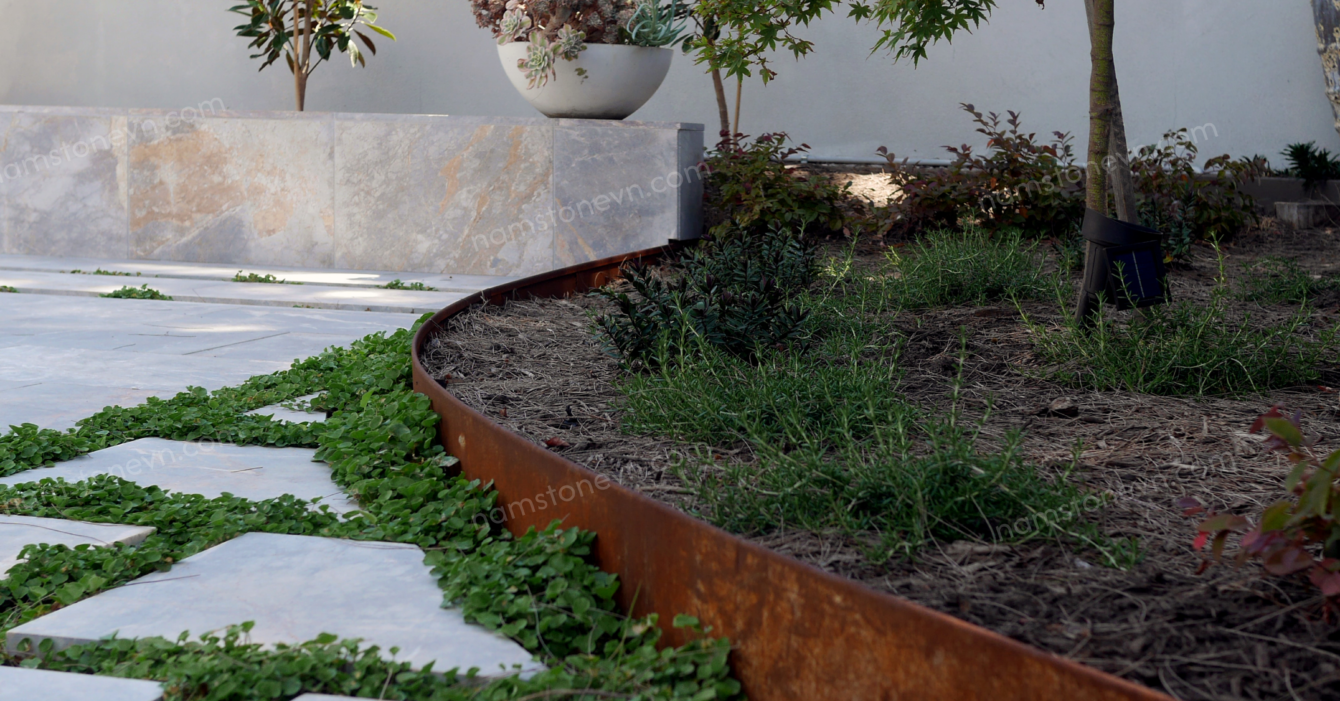
Elevating modern architecture with natural stones
Natural stones have become a defining element of modern architecture, offering a balance of durability, authenticity, and timeless beauty that manufactured materials struggle to match. Among many stone types used in today’s projects, limestone and marble stand out as two of the most versatile and sought-after options. Each carries its own character – from the hardness, high durability of limestone to the refined elegance and distinctive veining of marble.
As architects and designers continue to seek materials that feel both contemporary and connected to nature, understanding these two natural stones becomes increasingly important. This guide provides a practical and clear breakdown of limestone and marble to help you choose the right natural stones for your next architectural projects.
What Are Natural Stones in Modern Architecture?
Natural stones are mineral-based materials – such as marble, granite, limestone, or quartzite – quarried directly from the earth and refined for construction or decorative use. Formed over millions of years, they are valued for their durability, sustainability, unique character, and long-term performance.

Photo: Nam Stone’s Grey Apricot (marble) quarry
With the rise of eco-friendly architecture and minimalist design, they have made a strong comeback, becoming a top choice for residential and commercial projects around the world.
Limestone: Characteristics, Benefits, and Applications
What Is Limestone?
Limestone is a sedimentary rock composed mainly of calcium carbonate (calcite and aragonite). Many limestone slabs contain visible fossils, giving them a natural charm and subtle historical touch. Limestone is more absorbent than many other natural stones, which contributes to its versatility in architectural and landscaping projects.
Key Advantages of Limestone
Limestone is formed primarily from calcite over millions of years, which gives it impressive hardness and durability. This makes it an excellent choice for outdoor applications. With its neutral tones and soft, natural patterns and veining, this type of natural stones fits perfectly into modern, minimal design themes, bringing a natural and elegant feel to any architectural space.
-
High durability suitable for outdoor and high-traffic areas
-
Neutral tones that blend seamlessly with modern, minimalist designs
-
Soft, natural textures that create a warm and elegant aesthetic
-
Versatile fabrication, allowing cut-to-size, cladding, tiles, and more
Common Applications
-
Facades and exterior cladding
-
Interior and exterior flooring
-
Pool coping and outdoor paving
-
Landscaping features and retaining walls
Marble: Characteristics, Benefits, and Applications
What Is Marble?
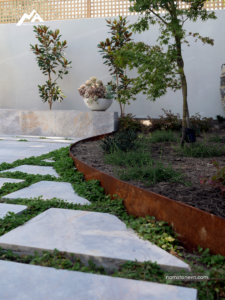
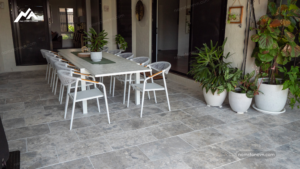
Marble is a metamorphic stone formed when limestone undergoes transformation under extreme heat and pressure, forming a dense crystalline structure. This process enhances its durability and produces the distinctive veining and variation in color, making marble one of the most visually iconic natural stones.
Key Advantages of Marble
Marble is often referred to by architects as the ‘queen’ of natural stones thanks to its widespread popularity and remarkable beauty. Its rich colors, distinctive patterns, and soft, elegant veining bring an undeniable sense of luxury to any space. With marble, every slab is a unique piece of artwork.
-
Luxurious, sophisticated appearance
-
Unique veining — every marble slab is a natural artwork
-
Smooth, polished surface options perfect for modern interiors
-
High aesthetic value, often used to create focal points
Common Applications
-
Countertops and vanities
-
Bathroom walls and flooring
-
Feature walls
-
Luxury interiors
-
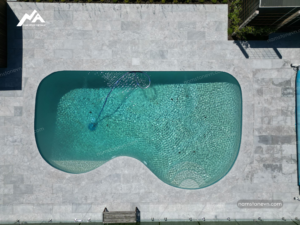
Pool coping and outdoor entertainment areas (with proper finish)
Why Natural Stones Continue to Lead Modern Architecture Trends
Natural stones continue to shape modern architecture because they align perfectly with today’s most important design values. Their inherent sustainability makes them a responsible choice for projects seeking long-lasting, environmentally conscious materials. Unlike artificial alternatives, natural stones carry a high durability and timeless aesthetic – the more you walk on natural stones, the more beautiful and characteristic it will be.
Beyond beauty, natural stones offer enduring value over time, maintaining their hardness and visual appeal even after decades of use, often becoming more characterful as they age. They also blend effortlessly with modern design languages, complementing minimalist spaces, earthy palettes, and contemporary architectural forms.
These qualities make natural stones, especially limestone and marble, a reliable and future-proof material for both interior and exterior design.
Conclusion
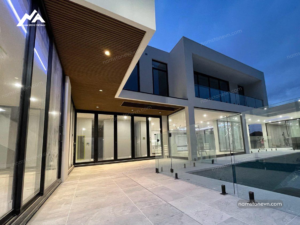
Limestone and marble each offer distinct benefits that elevate modern architecture. Limestone brings durability and understated beauty ideal for outdoor and minimal designs, while marble delivers elegance and luxurious visual impact perfect for refined interiors.
Together, they embody the key strengths of natural stones: authenticity, longevity, sustainability, and timeless character. As architecture continues leaning toward nature-inspired and environmentally conscious materials, limestone and marble remain exceptional choices for creating spaces with lasting value.


